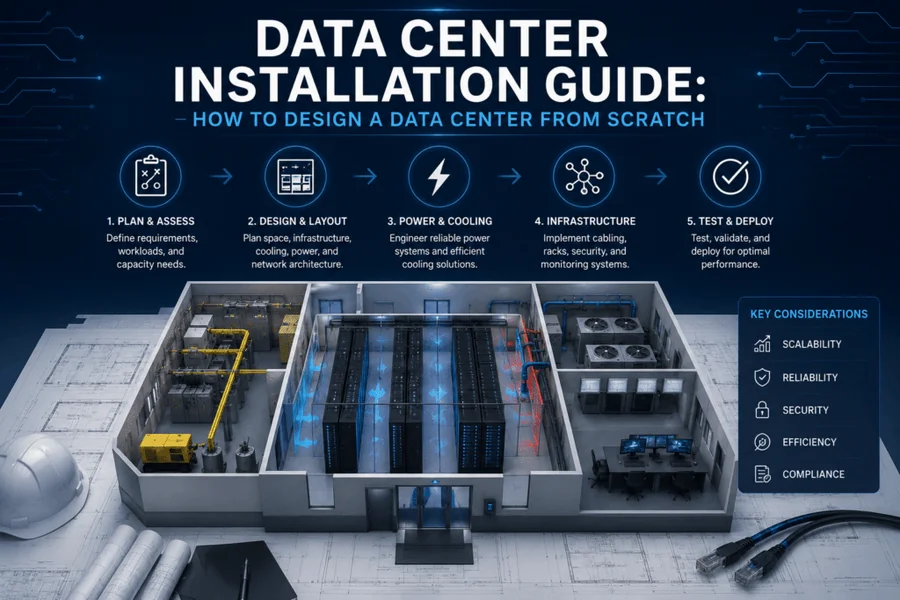
Information Technology It Infrastructure Setup is the foundation of a reliable digital environment for businesses of all sizes. A properly designed IT infrastructure allows organizations to manage data, support applications, improve communication, and maintain efficient operations. As businesses become more dependent on digital systems, having a strong technology foundation is essential for growth and long-term success.
Modern IT infrastructure includes hardware, software, networks, cloud services, security solutions, and management tools. Each component works together to create a stable and secure technology ecosystem. Without proper planning and implementation, businesses may experience performance issues, security risks, and unnecessary operational costs.
A successful IT setup requires careful analysis of business requirements, future goals, and available resources. By following structured planning methods, organizations can build an infrastructure that supports current needs while remaining flexible for future changes.
Understanding the Importance of IT Infrastructure Setup
IT infrastructure is the backbone of modern business operations. It connects employees, applications, devices, and data systems to ensure smooth communication and efficient workflows.
A well-designed infrastructure helps businesses improve productivity by providing reliable access to essential tools and information. Employees can collaborate more effectively when systems are properly connected and managed.
Businesses also depend on IT infrastructure for data storage and processing. From customer information to financial records, organizations need secure systems to store and manage important data. Proper infrastructure planning helps maintain data availability and reduces the risk of information loss.
Scalability is another important factor. As businesses grow, their technology requirements change. A flexible IT infrastructure allows companies to add new users, applications, and services without requiring complete system replacements.
Key Components of Modern IT Infrastructure
A complete IT infrastructure setup includes several essential components that support business operations. Understanding these elements helps organizations create effective technology environments.
Hardware is one of the primary parts of IT infrastructure. This includes servers, computers, storage devices, networking equipment, and other physical technology resources. Choosing the right hardware ensures reliable performance and supports business applications.
Network infrastructure connects different devices and systems. Routers, switches, wireless solutions, and communication tools allow employees and applications to exchange information efficiently. A strong network design improves speed, reliability, and security.
Software solutions are also critical. Operating systems, business applications, database systems, and management platforms help organizations perform daily tasks. Selecting suitable software improves workflow efficiency and supports business objectives.
Cloud technology has become an important part of modern infrastructure. Cloud platforms provide flexible storage, computing power, and applications without requiring businesses to maintain all physical resources internally.
Security systems protect infrastructure from cyber threats. Firewalls, access controls, monitoring tools, and encryption methods help prevent unauthorized access and protect sensitive information.
Planning and Designing an Effective IT Infrastructure
Successful IT infrastructure setup begins with detailed planning. Businesses should first identify their technology requirements, operational goals, and expected growth.
A proper assessment helps determine which systems are necessary and which solutions provide the best value. Organizations should consider factors such as employee needs, data requirements, security expectations, and budget limitations.
Infrastructure design should focus on reliability and performance. Systems should be organized in a way that reduces downtime and allows quick recovery during unexpected situations.
Choosing between on-premises infrastructure, cloud solutions, or a hybrid approach is another important decision. Each option has different advantages depending on business size, security needs, and operational goals.
Cloud-based infrastructure provides flexibility and easier scalability, while on-premises systems offer more direct control. Many businesses choose hybrid solutions to combine the benefits of both approaches.
Documentation is also essential during planning. Keeping records of system configurations, network structures, and security settings makes future maintenance easier.
Security Considerations for IT Infrastructure
Security is one of the most important aspects of any IT infrastructure setup. As cyber threats become more advanced, businesses need strong protection strategies.
Access management helps control who can use specific systems and information. Organizations should provide users with only the permissions they need to perform their responsibilities.
Regular software updates are necessary to fix security weaknesses. Outdated systems may contain vulnerabilities that attackers can exploit.
Data backup solutions provide protection against unexpected incidents such as hardware failure, cyber attacks, or accidental deletion. Businesses should create regular backups and test recovery processes.
Network monitoring helps identify unusual activities before they become serious problems. Security teams can use monitoring tools to detect threats and respond quickly.
Employee awareness also plays an important role in infrastructure security. Training employees about safe technology practices reduces risks caused by human mistakes.
Benefits of Professional IT Infrastructure Management
Managing IT infrastructure requires continuous monitoring, maintenance, and improvement. Professional IT management helps businesses maintain stable and efficient systems.
One major benefit is reduced downtime. Regular maintenance and proactive monitoring help identify potential problems before they interrupt business operations.
Professional management also improves system performance. Experts can optimize networks, update software, and adjust resources based on changing business requirements.
Cost efficiency is another advantage. Proper infrastructure management prevents unnecessary spending by ensuring organizations use technology resources effectively.
IT professionals can also support security improvements by implementing protection strategies and monitoring potential threats. This allows businesses to focus on their core activities while maintaining a secure technology environment.
Future Trends in IT Infrastructure Development
IT infrastructure continues evolving as new technologies emerge. Businesses are adopting advanced solutions to improve efficiency, flexibility, and security.
Artificial intelligence is becoming more common in infrastructure management. AI-powered tools can monitor systems, predict problems, and automate routine tasks.
Edge computing is another growing trend. It allows data processing closer to where information is generated, improving speed and reducing network delays.
Automation will continue transforming IT operations. Automated systems can handle updates, monitoring, and resource management more efficiently.
Sustainability is also becoming a priority. Organizations are looking for energy-efficient hardware, optimized data centers, and environmentally responsible technology solutions.
As businesses become more digital, IT infrastructure will remain a critical factor in supporting innovation and competitiveness.
Final Thought
Information Technology It Infrastructure Setup provides the foundation needed for reliable, secure, and scalable business operations. A well-planned infrastructure combines hardware, software, networks, cloud services, and security solutions to create an efficient digital environment. By focusing on proper planning, continuous management, and future-ready technologies, businesses can build stronger systems that support growth and adapt to changing technology demands.
FAQs
What is Information Technology It Infrastructure Setup?
Information Technology It Infrastructure Setup is the process of designing, installing, and managing technology systems including hardware, software, networks, security tools, and cloud services.
Why is IT infrastructure important for businesses?
IT infrastructure helps businesses improve productivity, manage data, support applications, maintain communication, and operate efficiently in a digital environment.
What are the main components of IT infrastructure?
The main components include hardware, networking systems, software applications, cloud services, storage solutions, and cybersecurity tools.
Should businesses use cloud or on-premises infrastructure?
The choice depends on business requirements, budget, security needs, and scalability goals. Many organizations use a hybrid approach combining both solutions.
How can businesses secure their IT infrastructure?
Businesses can improve security through access controls, regular updates, data backups, network monitoring, encryption, and employee training.
How often should IT infrastructure be updated?
IT infrastructure should be reviewed regularly to identify performance issues, security risks, and opportunities for improvement.
What are the benefits of professional IT infrastructure management?
Professional management improves reliability, reduces downtime, enhances security, controls costs, and ensures technology systems continue supporting business needs.