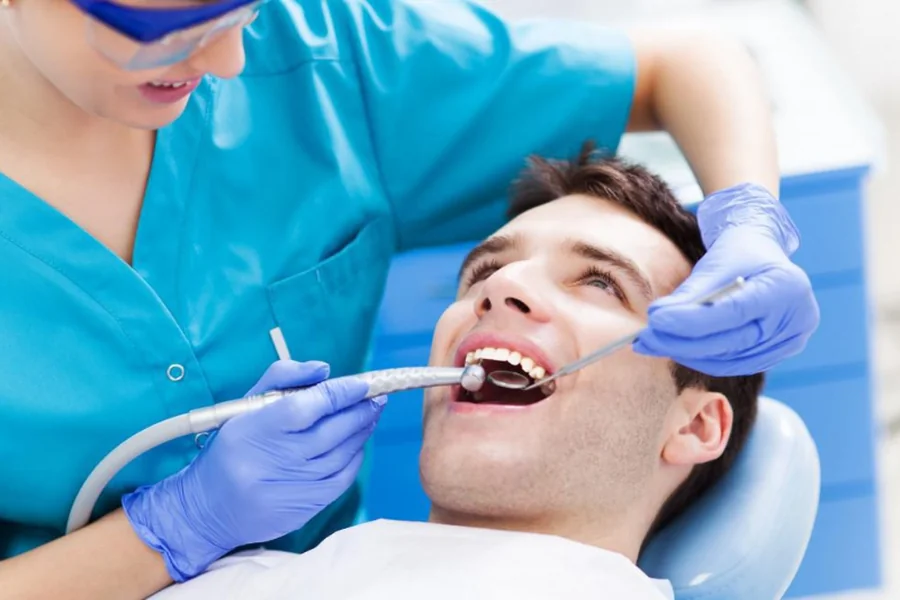
Importance of regular dental checkups cannot be overstated when it comes to maintaining healthy teeth, strong gums, and overall well-being. Many dental problems develop gradually without causing pain during the early stages. By the time symptoms appear, treatment may become more complicated and expensive. Routine dental visits allow professionals to identify issues early, provide preventive care, and help patients maintain excellent oral hygiene.
While brushing and flossing every day are essential, they cannot completely replace professional dental care. Plaque can harden into tartar, hidden cavities may form between teeth, and gum disease can progress unnoticed. Regular examinations and cleanings help address these concerns before they become serious.
Whether you are a child, an adult, or a senior, consistent dental checkups are one of the best investments you can make for your long-term oral health.
Why Regular Dental Checkups Matter
Routine dental checkups play an important role in preventing oral diseases before they become severe. Dentists carefully examine your teeth, gums, tongue, jaw, and other oral tissues to identify early signs of problems that may not yet be visible or painful.
During a checkup, your dentist can detect small cavities, worn fillings, gum inflammation, enamel erosion, and other conditions before they require extensive treatment. Early diagnosis often means simpler procedures, lower costs, and faster recovery.
Regular appointments also allow dentists to monitor changes in your oral health over time. This ongoing evaluation helps create personalized treatment plans based on your specific needs and risk factors.
Preventive dentistry focuses on maintaining healthy teeth rather than waiting for problems to develop.
What Happens During a Dental Checkup
Many people wonder what to expect during a routine dental appointment. Although every clinic may have slightly different procedures, most checkups follow a similar process.
The visit usually begins with a review of your medical and dental history. Your dentist may ask about medications, recent health changes, or any discomfort you have experienced.
Next, the dentist performs a detailed examination of your teeth and gums. They look for signs of decay, gum disease, cracked teeth, worn enamel, and other abnormalities.
Professional dental cleaning removes plaque and hardened tartar that cannot be eliminated through brushing alone. Your teeth are then polished to remove surface stains and improve cleanliness.
If necessary, dental X-rays may be taken to identify hidden problems beneath the surface, including impacted teeth, bone loss, or cavities between teeth.
Finally, your dentist discusses the findings and recommends any additional treatments or preventive measures.
Benefits Beyond Healthy Teeth
The importance of regular dental checkups extends beyond maintaining a bright smile.
Healthy gums reduce the risk of tooth loss and support the stability of natural teeth throughout life.
Professional cleanings help eliminate bacteria that contribute to bad breath, leaving your mouth feeling cleaner and fresher.
Routine examinations also allow dentists to detect signs of oral cancer during its earliest stages, when treatment is often more successful.
Maintaining good oral health can improve confidence during conversations, social interactions, and professional situations.
For children, regular dental visits encourage positive oral hygiene habits that can last into adulthood.
Older adults benefit from ongoing monitoring of existing dental work such as crowns, bridges, implants, and dentures.
Every stage of life benefits from preventive dental care.
Preventing Common Dental Problems
Regular dental checkups significantly reduce the risk of many common oral health issues.
Professional cleanings remove plaque before it hardens into tartar, reducing the likelihood of cavities and gum disease.
Dentists can identify early signs of gingivitis before it progresses into advanced periodontal disease.
Fluoride treatments may be recommended to strengthen enamel and reduce the risk of tooth decay, especially for children and individuals with a higher cavity risk.
Dental sealants may also be suggested for younger patients to protect vulnerable chewing surfaces from decay.
Early treatment prevents small problems from becoming larger and more expensive procedures later.
Preventive care saves both time and money while protecting long-term oral health.
How Often Should You Visit the Dentist?
Most dentists recommend scheduling routine dental checkups every six months.
However, the ideal schedule depends on your personal oral health and medical history.
People with gum disease, diabetes, frequent cavities, or weakened immune systems may benefit from more frequent visits.
Children should begin regular dental care early to monitor tooth development and establish healthy habits.
Individuals who smoke or wear orthodontic appliances may also require additional professional care because plaque tends to accumulate more easily.
Your dentist will recommend a personalized schedule that matches your individual needs.
Following these recommendations improves the chances of maintaining healthy teeth throughout life.
Daily Habits That Support Professional Dental Care
Routine dental visits work best when combined with excellent home care.
Brush your teeth twice each day using fluoride toothpaste and a soft-bristled toothbrush.
Floss daily to remove plaque and food particles from areas your toothbrush cannot reach.
Drink plenty of water to help rinse away bacteria and maintain healthy saliva production.
Limit sugary foods and acidic beverages that contribute to enamel erosion and tooth decay.
Eat a balanced diet rich in calcium, phosphorus, vitamin D, and vitamin C to support healthy teeth and gums.
Avoid smoking and tobacco products, which significantly increase the risk of gum disease and oral cancer.
Consistent daily habits complement the professional care you receive during regular dental appointments.
Final Thought
Importance of regular dental checkups lies in their ability to prevent problems before they become serious, protect long-term oral health, and support overall well-being. Routine examinations, professional cleanings, and early diagnosis allow patients to enjoy healthier teeth, stronger gums, fresher breath, and greater confidence.
When combined with proper brushing, flossing, healthy nutrition, and good lifestyle choices, regular dental visits provide one of the most effective ways to preserve your natural smile. Investing time in preventive dental care today can help you avoid more complex treatments and maintain excellent oral health for many years.
FAQs
Why are regular dental checkups important?
Regular dental checkups help detect oral health problems early, prevent cavities and gum disease, and maintain healthy teeth and gums.
How often should I have a dental checkup?
Most people should visit the dentist every six months, although some individuals may require more frequent appointments based on their oral health.
What happens during a routine dental checkup?
A routine checkup typically includes an oral examination, professional cleaning, possible X-rays, and recommendations for maintaining good oral health.
Can regular dental visits prevent tooth loss?
Yes. Early detection and treatment of gum disease and tooth decay significantly reduce the risk of losing natural teeth.
Are dental checkups necessary if I brush and floss every day?
Yes. Professional cleanings remove hardened tartar, and dentists can identify problems that are not visible during daily home care.
Do children need regular dental checkups?
Yes. Regular dental visits help monitor tooth development, prevent cavities, and establish healthy oral hygiene habits from an early age.