Introduction
A safe home is something every homeowner values, and modern technology makes it easier than ever to protect your space. This Home security system installation guide for beginners is designed to help you understand the basics of setting up a reliable security setup without feeling overwhelmed. Whether you live in a small apartment or a large house, having a properly installed system can reduce risks and give you peace of mind. Today’s security solutions range from simple door sensors to fully integrated smart systems that connect with your phone. In this guide, we will walk through the key steps, tools, and planning methods needed to install a system that works for your home. The Home security system installation guide will also help you avoid common mistakes and choose the right components so your system performs efficiently from day one.
Choosing the Right System Components
Before installation begins, selecting the right components is essential. A typical home security setup includes control panels, motion detectors, door and window sensors, cameras, and alarms. Each part plays a specific role in keeping your home protected. For beginners, wireless systems are often easier to install because they require less wiring and can be expanded over time. Wired systems, on the other hand, are more stable but usually require professional help. Smart cameras connected to mobile apps can provide real-time monitoring, while motion sensors help detect unusual movement inside or outside your home. It is important to choose devices that are compatible with each other to avoid technical issues later. You should also consider your home size and layout before purchasing equipment. A small apartment may only need a few sensors, while larger homes may require multiple cameras and detectors for full coverage.
Planning Your Home Layout
Proper planning is one of the most important steps in setting up a security system. Start by identifying vulnerable entry points such as front doors, back doors, windows, and garage access areas. These are the first places intruders may target. Once identified, decide where each device should be placed for maximum coverage. Cameras should be installed at higher angles to capture a wider view, while motion sensors should be placed in corners or hallways where movement is likely to be detected. Avoid placing sensors near heat sources or vents, as this can cause false alarms. It is also helpful to map out your home on paper before installation begins. This allows you to visualize coverage areas and avoid blind spots. Good planning ensures that every part of your home is protected without unnecessary overlap or wasted equipment.
Step-by-Step Installation Process
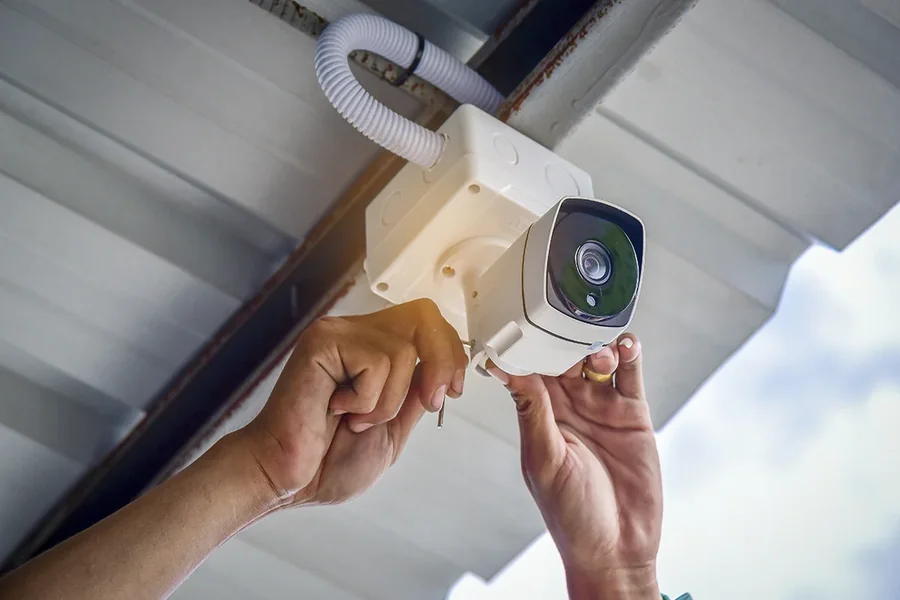
The installation process can be simple if you follow a clear sequence. Start by installing the control panel in a central location where it can communicate with all devices. Next, mount door and window sensors using adhesive strips or screws, depending on the model. After that, install motion detectors in recommended positions such as hallways or living areas. Cameras should be placed last to ensure proper angles and coverage. Once all devices are physically installed, connect them to the control panel or mobile app. Most modern systems guide you through setup with step-by-step instructions. After connection, test each device individually to ensure it is working correctly. Trigger sensors, check camera feeds, and test alarm sounds. This step is important because it helps you identify issues before relying on the system fully. A properly installed system should respond quickly and consistently to all triggers.
Common Mistakes to Avoid
Many homeowners make simple mistakes during installation that reduce the effectiveness of their security system. One common error is placing sensors too far from entry points, which can delay detection. Another mistake is ignoring Wi-Fi strength when installing wireless cameras, leading to poor video quality or disconnections. Some users also forget to update device firmware, which can result in security vulnerabilities or performance issues. Improper camera angles can create blind spots, making certain areas unmonitored. It is also important not to overload a single system with too many devices beyond its capacity. This can slow down performance and cause connectivity problems. Taking time to read instructions carefully and test each component can help you avoid these issues and ensure smooth operation.
Maintenance and Smart Features
After installation, regular maintenance keeps your system working effectively. Clean camera lenses periodically to ensure clear footage and check batteries in wireless devices to avoid sudden shutdowns. Many modern systems come with smart features such as mobile alerts, cloud storage, and AI-based motion detection. These features can significantly improve home safety by sending instant notifications if something unusual is detected. Updating software regularly is also important, as manufacturers often release security patches and performance improvements. You should also test your alarm system every few months to confirm it is functioning properly. With smart integrations, you can even connect your security system to other devices like smart lights or voice assistants, making your home more responsive and secure.
Final Thought
Installing a security system is not just about placing devices around your home; it is about creating a reliable safety network that protects your family and property. With the right planning, careful installation, and regular maintenance, even beginners can set up an effective system. Following this Home security system installation guide for beginners ensures you avoid common mistakes and build a setup tailored to your home’s needs. As technology continues to evolve, home security systems are becoming smarter and more accessible, making it easier than ever to stay protected.
FAQs
What is the first step in installing a home security system?
The first step is planning your home layout and identifying key entry points that need protection.
Can I install a home security system by myself?
Yes, many modern wireless systems are designed for easy DIY installation without professional help.
Where should I place security cameras in my home?
Cameras should be placed at entry points, corners, and elevated positions for maximum visibility.
How often should I maintain my security system?
It is recommended to check and maintain your system every few months for optimal performance.
Do smart security systems require Wi-Fi?
Yes, most smart security systems rely on Wi-Fi for remote access and real-time alerts.