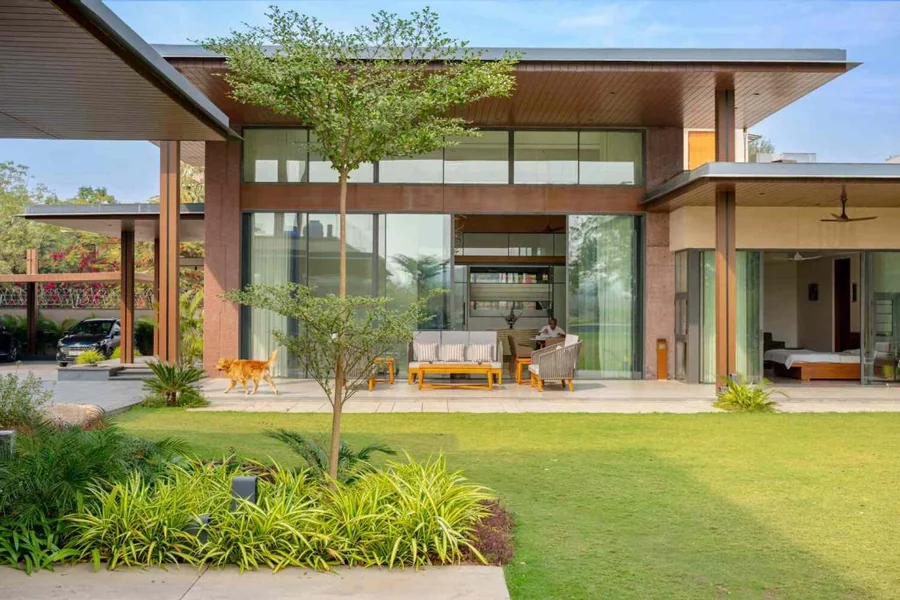
A well-planned outdoor space can completely change the way a home feels, and thoughtful Home garden landscaping design ideas can turn even a small yard into a relaxing, functional retreat. Whether you have a compact urban garden or a spacious backyard, the right layout, plants, and features can bring balance, beauty, and usability together. Good landscaping is not just about decoration; it is about shaping an environment that suits your lifestyle while staying easy to maintain and enjoyable throughout the year.
Planning Your Garden Layout
The foundation of any successful garden starts with a clear and practical layout. Before planting anything, it helps to observe how sunlight moves across your space during the day, where water tends to collect, and how you plan to use different areas. Some homeowners prefer a dedicated seating corner, while others want open lawn space for children or pets. Dividing your garden into zones can make it more organized and visually appealing. For example, you can separate a dining area, a flower bed section, and a pathway using simple borders or changes in texture. Curved pathways often create a softer, more natural feel, while straight lines give a modern and structured look. Taking time to sketch your layout before starting helps prevent costly changes later and ensures every corner serves a purpose.
Choosing Plants and Greenery
Plants are the heart of any garden design, and selecting the right mix can define the overall mood of your outdoor space. A combination of flowering plants, shrubs, and evergreen trees creates year-round interest and balance. When choosing plants, consider climate suitability, maintenance needs, and growth patterns. Native plants are often the best choice because they adapt easily to local conditions and require less care. Layering plants by height can also enhance depth and dimension, with taller trees at the back, medium shrubs in the middle, and smaller flowering plants at the front. Adding seasonal flowers brings color changes throughout the year, keeping the garden fresh and lively. Incorporating herbs like basil, mint, or rosemary can also add both beauty and practicality to your garden space.
Hardscaping Elements for Structure
Hardscaping refers to the non-living elements of a garden, such as pathways, patios, walls, and decorative stones. These features provide structure and help define different areas within your landscape. Materials like natural stone, brick, gravel, and wood can be used to match the overall style of your home. A small stone pathway winding through plants can create a charming, natural feel, while a tiled patio offers a clean and modern outdoor living space. Retaining walls can help manage sloped areas while also adding visual interest. Adding features like benches, pergolas, or raised beds can further improve functionality. A balanced mix of greenery and hard surfaces ensures that the garden does not feel overcrowded or too empty.
Lighting and Outdoor Ambience
Outdoor lighting plays a major role in enhancing the beauty and usability of a garden after sunset. Soft lighting along pathways improves safety while creating a warm and inviting atmosphere. String lights draped across seating areas or pergolas can instantly make the space feel cozy and welcoming. Spotlights can be used to highlight trees, sculptures, or special plants, adding depth and drama to the landscape at night. Solar-powered lights are an energy-efficient option and are easy to install without complex wiring. The key is to avoid over-lighting and instead focus on subtle layers that create mood and highlight the natural beauty of your garden.
Sustainable and Low-Maintenance Practices
Modern landscaping increasingly focuses on sustainability and ease of maintenance. Choosing drought-resistant plants reduces the need for frequent watering, making the garden more environmentally friendly and cost-effective. Installing a drip irrigation system can help deliver water directly to plant roots, reducing waste and ensuring healthier growth. Mulching around plants helps retain soil moisture and suppress weeds, reducing the time spent on upkeep. Composting kitchen and garden waste is another excellent way to enrich soil naturally without relying on chemical fertilizers. Using recycled materials for pathways or garden borders also contributes to a more eco-friendly design. A well-planned low-maintenance garden allows you to enjoy the space without feeling overwhelmed by constant work.
Final Thought
Creating a beautiful outdoor space is less about following strict rules and more about designing a garden that reflects your personal needs and lifestyle. With thoughtful planning, the right plant selection, and a balanced mix of natural and structural elements, any yard can be transformed into a peaceful and functional environment. The best Home garden landscaping design ideas are those that blend comfort, beauty, and practicality while remaining easy to maintain over time. A well-designed garden becomes more than just an outdoor area; it turns into a place for relaxation, gathering, and daily enjoyment.
FAQs
What is the first step in planning a home garden landscape?
The first step is analyzing your outdoor space, including sunlight, soil type, drainage, and how you intend to use different areas of the garden.
How do I choose the right plants for my garden?
Choose plants based on your local climate, maintenance preference, and available space while mixing seasonal and evergreen varieties for balance.
What are some low-maintenance landscaping ideas?
Using native plants, installing drip irrigation, adding mulch, and reducing lawn areas are effective ways to create a low-maintenance garden.
How can I make a small garden look bigger?
Using vertical planting, curved pathways, light colors, and minimal clutter can create an illusion of more space in a small garden.
Why is hardscaping important in garden design?
Hardscaping provides structure, improves functionality, and helps organize outdoor spaces while complementing the natural elements of the garden.