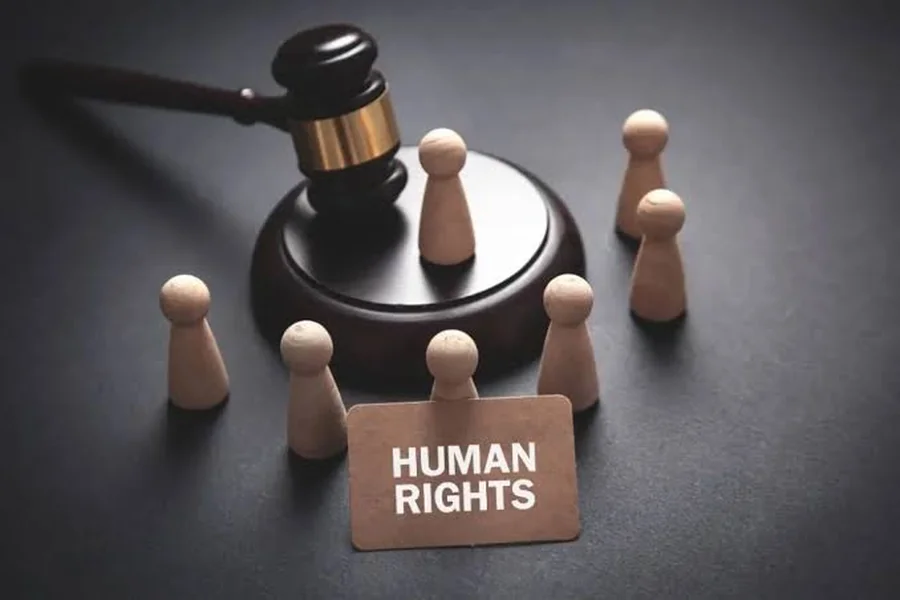
Human rights law protection framework serves as the foundation for safeguarding the dignity, freedom, and equality of every individual. These legal principles establish standards that governments, institutions, and organizations must respect to ensure people can live without discrimination, abuse, or unjust treatment. From the right to life and freedom of expression to access to education and fair trials, human rights laws shape modern societies by promoting justice and accountability.
As globalization, technological advancements, and social changes continue to reshape the world, the importance of a strong human rights protection framework has never been greater. Governments rely on constitutional provisions, international agreements, and national legislation to protect individuals while balancing public interests and national security. Understanding how this legal framework operates helps citizens, businesses, policymakers, and advocacy groups support a fairer and more inclusive society.
Understanding Human Rights Law Protection Framework
A human rights law protection framework is a collection of legal rules, constitutional guarantees, international treaties, and enforcement mechanisms designed to protect fundamental rights and freedoms. These laws apply regardless of nationality, ethnicity, religion, gender, or social status.
Human rights are generally considered universal, meaning they belong to every person simply because they are human. Governments have the responsibility to respect, protect, and fulfill these rights through effective legislation, public policies, and independent judicial systems.
The framework also establishes accountability. Public authorities, employers, educational institutions, and other organizations may be held legally responsible if they violate protected rights or fail to prevent discrimination and abuse.
Strong legal protections strengthen democratic institutions while promoting trust between governments and the communities they serve.
Fundamental Rights Protected by Human Rights Laws
Human rights legislation protects a wide range of civil, political, economic, social, and cultural rights that contribute to individual dignity and social stability.
Civil rights include the right to life, liberty, privacy, freedom of speech, freedom of religion, and protection from torture or arbitrary detention. These rights help preserve personal freedom and limit unnecessary government interference.
Political rights ensure that individuals can participate in public affairs through voting, peaceful assembly, and political participation without intimidation or discrimination.
Economic and social rights support access to education, healthcare, housing, employment, and social security. These protections promote equal opportunities and improve overall quality of life.
Cultural rights safeguard the ability of individuals and communities to preserve their language, traditions, heritage, and cultural identity while participating freely in society.
Together, these rights create a comprehensive legal system that promotes equality, fairness, and respect for human dignity.
Key Institutions Responsible for Human Rights Protection
A successful human rights law protection framework depends on multiple institutions working together to enforce legal standards and resolve disputes.
National courts play a central role by interpreting laws, reviewing government actions, and providing remedies when rights have been violated. Independent judges help ensure that justice is applied fairly and consistently.
Human rights commissions and ombudsman offices investigate complaints, conduct public education campaigns, and recommend policy improvements to strengthen legal protections.
Government agencies develop regulations, implement public policies, and monitor compliance with national human rights obligations.
International organizations also contribute by promoting cooperation among countries, monitoring treaty implementation, and providing guidance on emerging human rights challenges.
Civil society organizations, advocacy groups, legal professionals, and community leaders further strengthen the framework by raising awareness, supporting victims, and encouraging legal reform.
Common Human Rights Challenges and Legal Responses
Despite significant legal progress, many societies continue to face complex human rights challenges. Discrimination based on race, gender, disability, religion, or other characteristics remains a concern in many parts of the world.
Human trafficking, forced labor, child exploitation, and domestic violence require strong legal enforcement and coordinated public policies to protect vulnerable individuals.
Digital technology has introduced new concerns related to online privacy, cybersecurity, surveillance, misinformation, and data protection. Modern human rights laws increasingly address these evolving issues while balancing security and individual freedoms.
Environmental issues have also become closely connected to human rights. Access to clean air, safe drinking water, and a healthy environment increasingly influences public health and overall well-being.
Governments continue updating legislation to respond to changing social conditions while ensuring legal protections remain effective and relevant.
The Role of Individuals and Organizations
Human rights protection is not solely the responsibility of governments. Individuals, businesses, educational institutions, and nonprofit organizations all contribute to creating respectful and inclusive communities.
Employers can establish fair workplace policies that prohibit discrimination, promote equal opportunities, and protect employee rights. Educational institutions can foster respectful learning environments while teaching students about equality and civic responsibility.
Businesses increasingly adopt human rights policies as part of their corporate governance and sustainability initiatives. Responsible supply chain management, ethical labor practices, and community engagement help reduce legal risks while strengthening public trust.
Individuals also play an important role by respecting the rights of others, reporting violations when appropriate, participating in community initiatives, and supporting organizations that promote justice and equality.
Collective efforts across society strengthen legal protections and encourage long-term social progress.
Final Thought
Human rights law protection framework provides the legal foundation for safeguarding dignity, equality, and justice for every individual. By protecting fundamental freedoms and holding institutions accountable, these laws help create safer, fairer, and more inclusive societies. Although challenges continue to evolve, effective legislation, independent courts, responsible organizations, and informed citizens all contribute to strengthening human rights protections. Understanding this framework empowers individuals and communities to support equality, defend fundamental freedoms, and promote lasting social development.
FAQs
What is a human rights law protection framework?
A human rights law protection framework is a system of laws, policies, and institutions that protect fundamental rights and freedoms while ensuring legal accountability.
Why are human rights laws important?
Human rights laws protect individual dignity, promote equality, prevent discrimination, and help ensure justice for all members of society.
Who is responsible for protecting human rights?
Governments have the primary responsibility, but courts, public institutions, businesses, nonprofit organizations, and individuals also play important roles in protecting human rights.
Can businesses be affected by human rights laws?
Yes. Businesses must often comply with laws related to workplace equality, labor standards, privacy, non-discrimination, and other human rights obligations.
How are human rights violations addressed?
Violations may be addressed through courts, human rights commissions, administrative agencies, mediation, or other legal remedies depending on the applicable laws.
Do human rights laws apply equally to everyone?
Yes. Human rights laws are based on the principle that every individual is entitled to equal protection without discrimination.