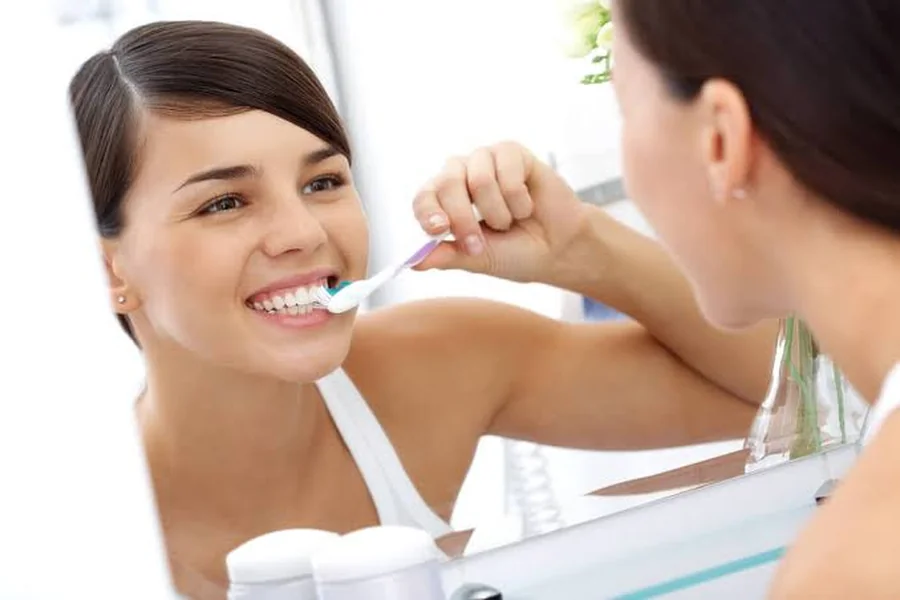
Proper Brushing and Flossing Routine is one of the most effective ways to maintain a healthy smile and protect your overall oral health. Although brushing and flossing are daily habits for many people, using the correct techniques is just as important as doing them consistently. A proper oral hygiene routine removes plaque, reduces harmful bacteria, prevents cavities, and helps keep your gums healthy.
Many dental problems develop slowly because plaque builds up over time. Without proper cleaning, plaque hardens into tartar, increasing the risk of tooth decay and gum disease. Fortunately, adopting the right brushing and flossing habits can significantly reduce these risks while improving the appearance and health of your teeth.
A few minutes of proper dental care each day can help preserve your natural smile for years to come.
Why a Proper Oral Hygiene Routine Matters
Your mouth naturally contains bacteria that combine with food particles to form plaque. If plaque is not removed regularly, it produces acids that attack tooth enamel and irritate the gums.
Brushing removes plaque from the visible surfaces of the teeth, while flossing cleans between the teeth and below the gumline where toothbrush bristles cannot reach. Together, these habits provide complete cleaning that helps prevent common dental problems.
Good oral hygiene also contributes to fresh breath, healthier gums, and reduced staining. More importantly, preventive care lowers the need for extensive dental treatments in the future.
Maintaining a consistent routine is one of the simplest ways to protect your oral health throughout every stage of life.
How to Brush Your Teeth Correctly
Brushing correctly is more important than brushing aggressively. Using too much pressure can wear down enamel and irritate the gums.
Choose a soft-bristled toothbrush and fluoride toothpaste recommended by your dentist. Hold the toothbrush at about a 45-degree angle toward the gumline and use gentle circular motions rather than vigorous back-and-forth scrubbing.
Brush every surface of each tooth, including the outer, inner, and chewing surfaces. Don’t forget to brush along the gumline, where plaque commonly accumulates.
Brush your tongue gently to remove bacteria that contribute to bad breath.
Spend at least two minutes brushing twice every day, preferably once in the morning and once before bedtime.
Replace your toothbrush every three to four months or sooner if the bristles become frayed.
Proper brushing removes plaque effectively while protecting your teeth and gums.
The Right Way to Floss
Flossing is often overlooked, but it is essential for complete oral hygiene.
Take approximately 18 inches of dental floss and wrap most of it around your middle fingers, leaving a small section to work with.
Carefully slide the floss between your teeth using a gentle motion. Curve the floss into a “C” shape around each tooth and move it up and down along the side of the tooth and slightly below the gumline.
Use a clean section of floss as you move from one tooth to the next.
Avoid snapping the floss into your gums because this may cause irritation or bleeding.
People who find traditional floss difficult to use may benefit from floss picks, water flossers, or other interdental cleaning devices recommended by their dentist.
Daily flossing removes plaque from areas that brushing alone cannot reach.
Common Brushing and Flossing Mistakes
Many people unknowingly make mistakes that reduce the effectiveness of their oral care routine.
Brushing too hard is one of the most common errors. Excessive pressure can damage enamel and contribute to gum recession.
Using a worn toothbrush limits cleaning effectiveness because damaged bristles cannot remove plaque efficiently.
Skipping flossing allows bacteria and food debris to remain between the teeth, increasing the risk of cavities and gum disease.
Brushing for less than two minutes often leaves many tooth surfaces inadequately cleaned.
Using too much toothpaste does not improve cleaning and may encourage shorter brushing times because of excessive foam.
Ignoring the tongue during brushing may contribute to persistent bad breath.
Correcting these simple mistakes greatly improves daily oral hygiene.
Supporting Your Routine with Healthy Habits
Brushing and flossing work best when combined with other healthy practices.
Drink plenty of water throughout the day to help rinse away food particles and maintain healthy saliva production.
Limit sugary snacks and acidic beverages that increase the risk of tooth decay and enamel erosion.
Eat foods rich in calcium, vitamin D, and phosphorus to support strong teeth and healthy bones.
Avoid smoking and tobacco products because they increase the risk of gum disease, tooth loss, and oral cancer.
Wear a mouthguard during sports activities to protect your teeth from injury.
If you grind your teeth while sleeping, speak with your dentist about a custom night guard.
Healthy lifestyle choices complement your daily oral hygiene routine.
When to Visit the Dentist
Even the best brushing and flossing routine cannot replace professional dental care.
Routine dental checkups allow dentists to detect cavities, gum disease, and other oral health problems before they become serious.
Professional cleanings remove hardened tartar that cannot be removed through home care.
Your dentist may recommend fluoride treatments, dental sealants, or personalized oral hygiene advice based on your individual needs.
Most people benefit from dental examinations every six months, although some individuals may require more frequent visits depending on their oral health.
Combining excellent home care with regular professional treatment provides the strongest protection against dental disease.
Final Thought
Proper Brushing and Flossing Routine is the foundation of lifelong oral health. Daily brushing removes plaque from visible tooth surfaces, while flossing cleans the spaces between teeth and along the gumline where toothbrushes cannot reach. Together, these habits reduce the risk of cavities, gum disease, bad breath, and tooth loss.
Consistency is the key to success. By following the correct techniques, eating a balanced diet, replacing your toothbrush regularly, and visiting your dentist for routine checkups, you can enjoy healthier teeth, stronger gums, and a confident smile for many years.
FAQs
Why is a proper brushing and flossing routine important?
A proper routine removes plaque, prevents cavities, protects gums, reduces bad breath, and supports long-term oral health.
How often should I brush my teeth?
You should brush your teeth twice a day for at least two minutes using fluoride toothpaste.
Is flossing necessary every day?
Yes. Daily flossing removes plaque and food particles from between the teeth where a toothbrush cannot reach.
What type of toothbrush should I use?
Most dentists recommend using a soft-bristled toothbrush because it cleans effectively while protecting enamel and gums.
When should I replace my toothbrush?
Replace your toothbrush every three to four months or sooner if the bristles become worn or frayed.
Can brushing and flossing replace dental checkups?
No. Daily oral hygiene is essential, but regular dental checkups and professional cleanings are necessary to maintain complete oral health and detect problems early.