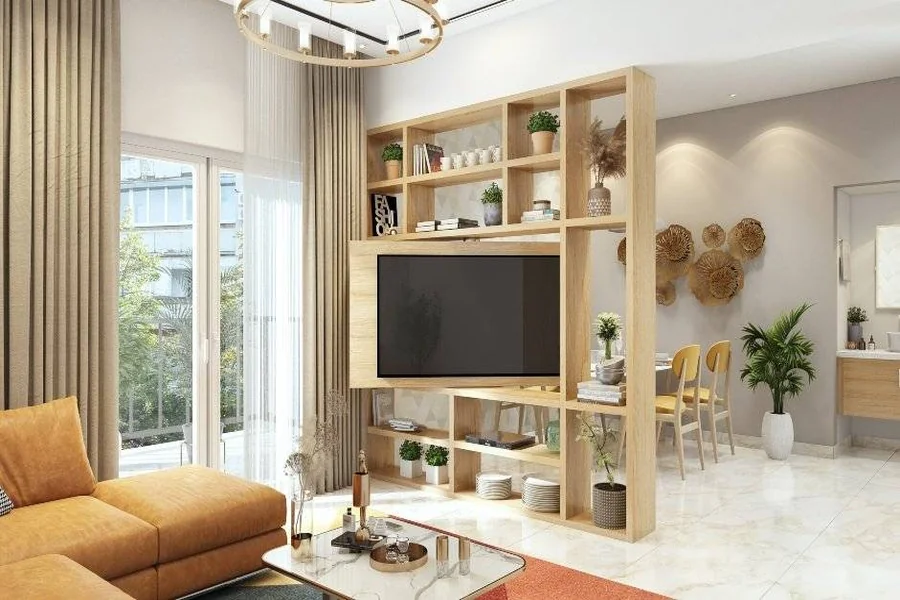
Modern home furniture arrangement tips can completely change how a space feels and functions. Whether you live in a small apartment or a spacious house, the way you position your furniture affects comfort, movement, and overall visual harmony. Good arrangement is not just about placing items where they fit; it’s about creating flow, balance, and purpose in every corner of your home. With thoughtful planning, even simple furniture pieces can transform your living space into something stylish and practical.
Understanding space and flow in modern homes
A well-arranged home always starts with understanding the available space and how people move through it. In modern interior design, flow refers to how easily someone can walk through a room without obstacles or awkward turns. Before placing any furniture, it helps to observe entry points, natural walking paths, and focal points like windows or entertainment units.
In many modern homes, especially open layouts, the challenge is avoiding clutter while still defining each area. For example, a sofa should not block movement between the living and dining areas. Instead, it should guide the flow naturally. Leaving enough breathing room between furniture pieces makes a room feel larger and more inviting.
It’s also useful to think in terms of zones. Even in a single room, you can mentally divide spaces for relaxing, working, or dining. This approach helps ensure that every piece of furniture serves a clear purpose without overcrowding the space.
Choosing the right furniture scale and proportion
One of the most overlooked aspects of modern home furniture arrangement tips is scale. Furniture that is too large can overwhelm a room, while pieces that are too small may look lost and disconnected. The goal is to maintain proportion so everything feels visually balanced.
For smaller rooms, choosing sleek, low-profile furniture works best. A compact sofa with thin arms, for example, can make a living room feel more open. On the other hand, larger rooms can handle bulkier items, but they still need balance through placement and spacing.
Another important factor is height variation. Mixing different heights—such as pairing a low coffee table with taller shelves—adds visual interest without clutter. However, avoiding extreme mismatches keeps the design cohesive. A consistent style or material theme also helps tie everything together, making the space feel intentional rather than random.
Smart zoning for open-plan living areas
Open-plan spaces are popular in modern homes, but they require careful arrangement to avoid feeling empty or chaotic. Zoning is the process of dividing a single large area into functional sections without using physical walls.
Furniture plays a key role in this. A sofa can act as a divider between the living and dining areas. Rugs are another powerful tool, as they visually separate spaces while adding warmth and texture. Lighting can also help define zones, such as pendant lights above a dining table or floor lamps in a reading corner.
In addition, using multi-functional furniture enhances zoning. A console table behind a sofa can create a subtle boundary while offering storage or display space. The idea is to maintain openness while still giving each section its own identity and purpose.
Balancing aesthetics with functionality
A stylish home is important, but functionality should never be ignored. A common mistake in furniture arrangement is prioritizing appearance over daily usability. The best layouts achieve a balance between the two.
Start by considering how each room is used on a daily basis. For example, in a living room, seating should face a central point such as a TV or coffee table, making conversation and relaxation easy. At the same time, the arrangement should not block access to other areas or create tight corners.
Storage also plays a big role in functionality. Choosing furniture that includes hidden storage, like ottoman benches or TV units with drawers, helps reduce clutter. This keeps the space visually clean while ensuring essential items are always within reach.
Aesthetic balance comes from repetition and harmony. Repeating colors, materials, or shapes across furniture pieces creates a unified look. This helps even simple arrangements feel professionally designed.
Storage solutions that reduce clutter
Clutter can quickly ruin even the most carefully arranged home. That’s why smart storage is a core part of modern home furniture arrangement tips. The goal is not just to store items but to integrate storage into the overall design.
Vertical storage is especially useful in modern homes. Tall shelves or wall-mounted cabinets use upward space efficiently, leaving more floor area open. Floating shelves can also provide storage without making a room feel heavy.
Another effective strategy is hidden storage. Beds with drawers underneath, coffee tables with compartments, and modular sofas with storage sections help keep everyday items out of sight. This creates a cleaner and more spacious environment.
Minimalism also supports better arrangement. By reducing unnecessary furniture and decor items, the remaining pieces stand out more clearly. This makes it easier to maintain order and adjust layouts when needed.
Final Thought
Arranging furniture in a modern home is both a creative and practical process. It requires attention to space, proportion, function, and style. When done thoughtfully, even simple furniture arrangements can elevate the entire atmosphere of a home. The key is to prioritize flow, maintain balance, and ensure every piece has a purpose. With consistent attention to these principles, any living space can feel more comfortable, organized, and visually appealing.
FAQs
What is the most important factor in furniture arrangement?
The most important factor is maintaining good flow so people can move comfortably without obstacles.
How do I make a small room look bigger with furniture placement?
Using smaller-scale furniture, keeping walkways open, and avoiding overcrowding helps a small room appear larger.
Can I mix different furniture styles in one room?
Yes, mixing styles is possible if you maintain a consistent color palette or material theme for balance.
What is the best way to arrange furniture in an open-plan space?
Creating zones using sofas, rugs, and lighting helps define areas while keeping the space open.
How much space should I leave between furniture pieces?
Generally, leaving enough space for easy walking, usually around two to three feet, improves comfort and flow.
Is it better to push furniture against walls?
Not always; floating furniture can improve flow and create more dynamic and functional layouts.